

Dubai plans new lighting system to cut glare, reduce pollution and boost safety
New rules will also protect coastal and desert ecosystems from excessive light
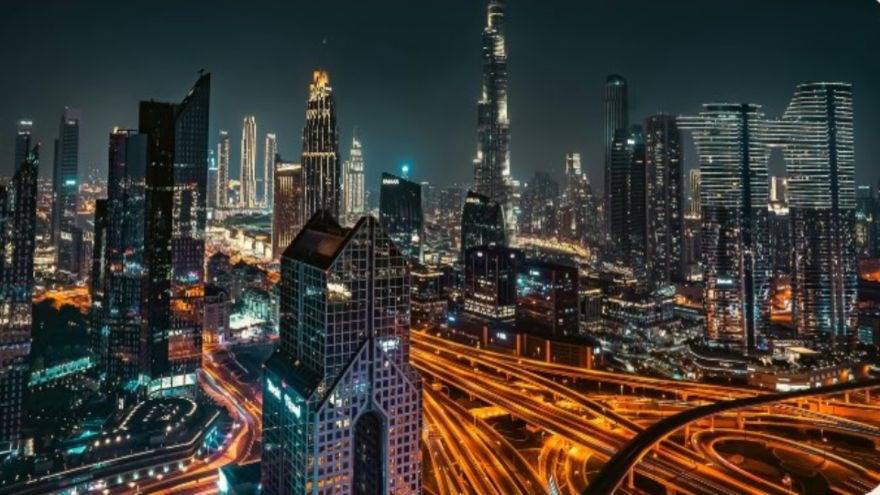
DUBAI – Dubai Municipality is developing an integrated urban lighting system that will establish unified standards for lighting projects across the emirate.
The framework is designed to improve Dubai’s appearance after dark while reducing glare and light pollution. It will also focus on public safety, energy efficiency, environmental protection and the city’s night-time economy.
Announced by Dubai Municipality, the initiative is being developed under the objectives of the Dubai Civility Committee and will align with the Dubai Building Code. It will cover technical, regulatory and governance requirements for urban lighting, with the aim of creating greater consistency across projects.
The framework is expected to contribute to a more cohesive night-time identity for Dubai by highlighting landmarks and reflecting the emirate’s cultural character. It is also intended to improve the experience of residents and visitors while supporting commercial, leisure and entertainment destinations.
منظومة إضاءة متكاملة تواكب تطور دبي، وتعزز هويتها البصرية، وتدعم الاستدامة وجودة الحياة، وترتقي بالمظهر الحضاري للمدينة. pic.twitter.com/G6sKJ5A6nl
— Dubai Civility Committee (@dubaicivility) September 3, 2026
Marwan bin Ghalita, Director-General of Dubai Municipality and a member of the Dubai Civility Committee, said lighting was central to Dubai’s vision for high-quality urban spaces.
“More than just a functional element, it is an urban language that defines Dubai’s character, tells its story and highlights its landmarks on the world stage,” he said.
Unified standards
Bin Ghalita said the project would build on Dubai’s infrastructure and aesthetic appeal while strengthening the experience of residents and visitors. He added that unified standards and international best practices would help the emirate respond to rapid urban growth while preserving its distinctive identity.
The planned framework will examine global best practices in urban lighting before establishing technical standards and specifications. It will also define responsibilities for government entities and private-sector partners and introduce mechanisms for governance, compliance and oversight.
The implementation plan will include an execution roadmap and measures to assess the impact of the system. The project will be carried out in several phases, beginning with coordination between public- and private-sector stakeholders to establish responsibilities.
A study of international practices, technical standards and governance mechanisms will then be undertaken before core urban lighting requirements are established.
Smarter lighting
Energy efficiency will be a key part of the framework. It will promote high-efficiency lighting, smart controls, dynamic dimming and optimised operating hours to help reduce electricity consumption and carbon emissions.
The system will also address excessive artificial light in environmentally sensitive areas, including coastal and desert ecosystems. Measures will be introduced to reduce light pollution and help protect natural environments from unnecessary illumination.
Digital workflows are also expected to streamline applications, licensing and inspections, while supporting compliance with the new requirements over the long term.
Maryam Al Muhairi, CEO of the Buildings Regulation and Permits Agency at Dubai Municipality, said the initiative would establish a comprehensive technical and regulatory framework for urban lighting.
“The integrated lighting system will focus on establishing a comprehensive technical and regulatory framework for urban lighting,” she said.
According to Al Muhairi, the framework will bring together global best practices, coordination with public and private-sector partners, clear standards, governance and compliance mechanisms, an implementation roadmap and impact assessment metrics.
The initiative is also expected to improve safety in public spaces and support Dubai’s night-time economy through a more cohesive visual identity that encourages visits to commercial and leisure destinations.
The Dubai Civility Committee was established in September 2025 by His Highness Sheikh Hamdan bin Mohammed bin Rashid Al Maktoum, Crown Prince of Dubai, Deputy Prime Minister, Minister of Defence and Chairman of The Executive Council of Dubai.
The committee reflects the vision of His Highness Sheikh Mohammed bin Rashid Al Maktoum, Vice President, Prime Minister and Ruler of Dubai, to establish a global benchmark for civilised living based on quality of life, community engagement and service excellence.
It provides an integrated framework aimed at preserving and advancing Dubai’s model of civility while strengthening standards of urban refinement, public discipline and positive social behaviour.